


 No TOEFL/IELTSWe don't require our applicants to take TOEFL or IELTS exam to apply and study at any Russian State University.
 100 % ADMISSIONWe can guarantee You 100% Admission to any chosen university of Russia. We always enroll our students to
 100 % VISAAll our invited candidates will get their Russian study visa. We provide Visa Confirmation
Russian Universities Admission Process | How to get Admission in Russian University | Stusy in Russia
There are five steps to complete admission process at any University of Russian Federation:
STEP 1: HOW TO APPLY
Students can apply online. After reading the complete information on website about tuition fee and courses first you have to choose the course.
After choosing the course you should send us the following documents by email:
- Filled Application Form
- Copy of International Passport or ID. (minimum valid for two years)
- Copy of Higher Secondary School Certificate (with subject details)
After reviewing the above written documents, we shall notify you about acceptance or rejection. If you will be accepted then we shall issue you Admission Confirmation Letter in one working day.
STEP 2: HOW TO GET INVITATION LETTER
- Filled Application Form
- Copy of International Passport (minimum valid for two years)
- Copy of School Certificate (with subject details)
- Cost of Invitation Letter 400 US$
- Cost of Courier 100 US$
You can send us the documents by email or by fax. Please take care that documents should be scanned properly and should be clearly readable.
You can transfer us the payment bank transfer, by western Union or Money Gram. Please send us the receipt of payments to confirm us.
Invitations are issued by the State Home office and it takes 35-40 days time to issue the invitation letter.
After receiving documents and payment. we shall send you the Original Invitation letter, Admission Confirmation letter and visa support letter by courier.
STEP 3: VISA
After getting invitation letter from Russian Education Centre, student should contact the nearest Russian Embassy or Consulate in his/her country.
General Visa Requirements are as follows:
- Original Invitation letter
- Original international passport (minimum valid for two years)
- Higher Secondary School certificate (should be legalized)
- Medical Certificate showing absence of Aids/HIV (should be legalized)
- 2 Passport size Photos (3.5 x 4.5)
P.S.: In some countries Embassy of Russian Federation require legalization of documents from specific departments.
P.S: In some specific countries Russian embassy require some additional documents.
For complete visa requirements, please contact the Embassy of Russian Federation in your country.
STEP 4: ARRIVAL
After getting visa from Russian embassy or Consulate, students should inform us about his/her flight details with date and arrival time.
One of our representatives will receive the student at the airport.
In case student will not inform us about his/her arrival, he/she will be deported back to homeland by the Immigration Authorities of Russia.
STEP 5: ADMISSION AND START OF CLASSES
- Every Student should come with full set of documents and Full First year Expenses receipt.
- It is compulsory for every student to be registered at University during first three working days after arrival in Russian Federation territory.
After Arrival in Russia, student should submit the full package of documents and first year expenses as written on Admission Confirmation Letter. Our International Office staff will complete all the formalities so that you could start your classes in 4-5 working days. International Office will also extend the visa from Home Office.
Admission 2019-2020 Russian Universities | Admission at Universities of Russia | Education in Russia | Study in Russia

Dear Students,
We would like to announce that the application for admission to all Russian State Universities for September 2019-2020 session is open now. You can apply online at our website and you will get reply with all details shortly.
We accept applications of interested candidates for coming session.
You can Apply Online here:
ADMINISTRATIVE UNIERSITIES OF RUSSIA
Here is the complete list of Administrative Universities of Russia.
These universities trains personnels for administrative departments of Russian Federation:
• Academy of Labor and Social Relations of Russian Federation
• Academy of Management of Ministry of Internal Affairs of Russian Federation
• Bashkir Academy of Public Administration and Management under the Auspices of the Republic of Bashkortostan
• Diplomatic Academy of Ministry of Foreign affairs of Russian Federation
• East Siberian Institute of Ministry of Internal Affairs of Russian Federation
• Moscow State Institute of International Relations (University) MFA Russia
• The Russian Presidential Academy of National Economy and Public Administration
• Ural Academy of President of Russian Federation
• Vocation State Fire Academy of the Russian Federation for Civil Defence, Emergencies and Elimination of Consequences of Natural Disasters
• Volga State University of Water Transport
• Volgograd State Academy of Ministry of Internal Affairs of Russian Federation
• Voronezh Institute of Ministry of Internal Affairs of Russian Federation
Hostels of Russian Universities | Apartments for rent in Russia | University Accommodation in Russia | Study in Russia
LIVING AT UNIVERSITIES HOSTELS
All Russian State Universities have very good hostel system with fully furnished rooms, quiet study environment surrounded with recreation centers.
The cost of Hostel accommodation will be written on your admission letter. For ordinary hostels it varies from 400-600 US$.
In newly renovated hostels, it costs about 1000-1200 US$.
The Admission and Invitation letters of the University provide a guarantee of accommodation placement at University hostel to all international students who receive them. There are several accommodation options in every university for international students and it is important to consider whether you prefer an independent lifestyle or enjoy living in a community.
Rooms on campus are available to students in all our PARTNER UNIVERSITIES. All hostel rooms are furnished and vary in size and number of conveniences. Dormitory rooms at university hostels can accommodate 2 or 3 students for each room.
All rooms are equipped with bed, mattress, pillow, blanket, desk, chair, heater, water heaters and suitable lighting for both study and relaxation. There are common areas where students can play and mingle. Upon the students arrival on campus, specific accommodations are assigned and after a satisfactory health report the student will be accommodated to the room which is allotted to him.
In the hostel each room is equipped with kitchen provided for students to cook food to their own taste. Students will need to supply with their own kitchen utensils. Meals may be bought from various food outlets. All the rooms are provided with heaters. Our hostels feature 24-hour access to security and emergency services, making it easy to get assistance when you need it. As a campus resident, you also have access to all the University support services such as campus Security Services, counseling Services and health Services.
If you take a University room, we'll ask you to sign a contract for the first year. After that every student has right to prolong the contract.
OFF CAMPUS HOUSING / FLATTING
Living in the flats or in the apartments are always costlier then living in the University hostel. Living in the flats always give more responsibility and freedom.
Off campus housing can be obtained in nearby apartments. Available apartments and houses are furnished, and vary in size, cost and number of conveniences. Life in cities of Russia is friendly and devoid rush. While at first some students may miss their home environment, native food, or a hurried pace, they soon learn to appreciate and enjoy a cultural different their own.
All cities of Russia has a wide range of accommodation from modern multi unit houses to historic houses. When you decide to stay in the flat, you can search through local news papers or by the local agencies. Vacant flats are advertised in the newspaper, on notice boards and through rental agencies. Students can find different kinds of flats. You will need to budget very carefully to meet all your expenses, before choosing a flat.
Normally two room flats cost about 250 – 300US$ per month in the centre or near to the University. You can also approach the University International office for the assistance regarding flatting.
FLATS ARE EXPENSIVE IN MOSCOW AND SAINT PETERSBURG, AND NORMAL TWO ROOMS FURNISHED APARTMENT COST AROUND 600-1000 US$ MONTHLY.
Russian Education System | Academic Calendar in Russian University | Holidays in Russia | Semesters in Russian Universities | Study in Russia | Russian Education Centre | REC
ACADEMIC CALENDER consists of two Semesters at all Russian universities:
- First Semester starts on September 1 every year.
- Second Semester starts on February 1 every year.
Each term lasts for 20 weeks, its 9th and 18th weeks are intended for module testing, the 10th and 20th weeks – for semester testing.
All Universities of the Russian Federation enroll international students for all faculties in first semester that starts on September 1.
First-year students who are going to join any course taught in English are allowed to join later (due to delay in getting Visa or any other serious reasons).
Students who are going to join Preparatory Department or PG courses can start their studies anytime a year.
Some our partner Russian Universities enroll international students in second semester as well.
HOLIDAYS
The Russian Federation marks nine occasions each year with a public holiday, which can be viewed in the list below. The primary legislation that defines these non-working days is the Labor Code of the Russian Federation 2001 (Federal Law No. 197-FZ of 2001).
This law states that one of its guiding principles is:
“Safeguarding the right of every employee to equitable work conditions, including the work conditions meeting safety and health requirements, the right to rest and leisure, including limitations of working hours, provision of daily rest, days-off and non-working holidays, paid annual vacations.”
OFFICIAL HOLIDAYS OF THE RUSSIAN FEDERATION:
JANUARY 1-6, 8 |
New Year’s Vacation |
| JANUARY 7th | Orthodox Christmas |
| FEBRUARY 23rd | Defender of the Motherland Day |
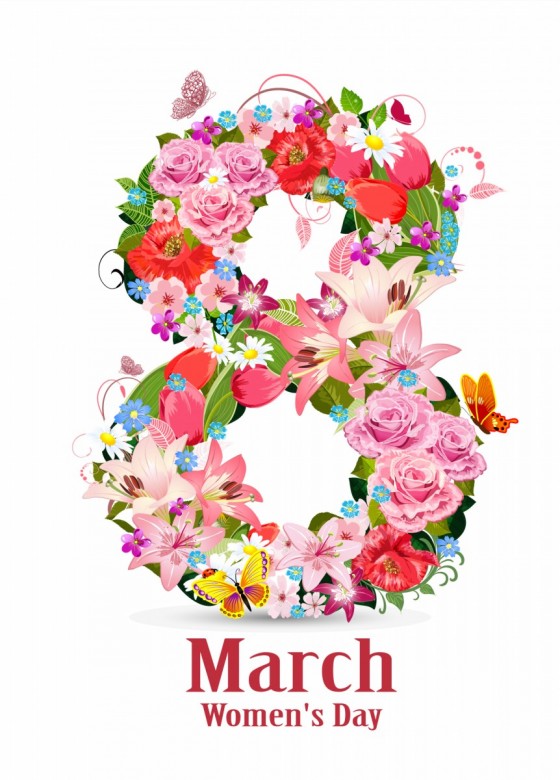
| MARCH 8th | International Women’s Day |
| MAY 1st | Spring and Labor Celebration |
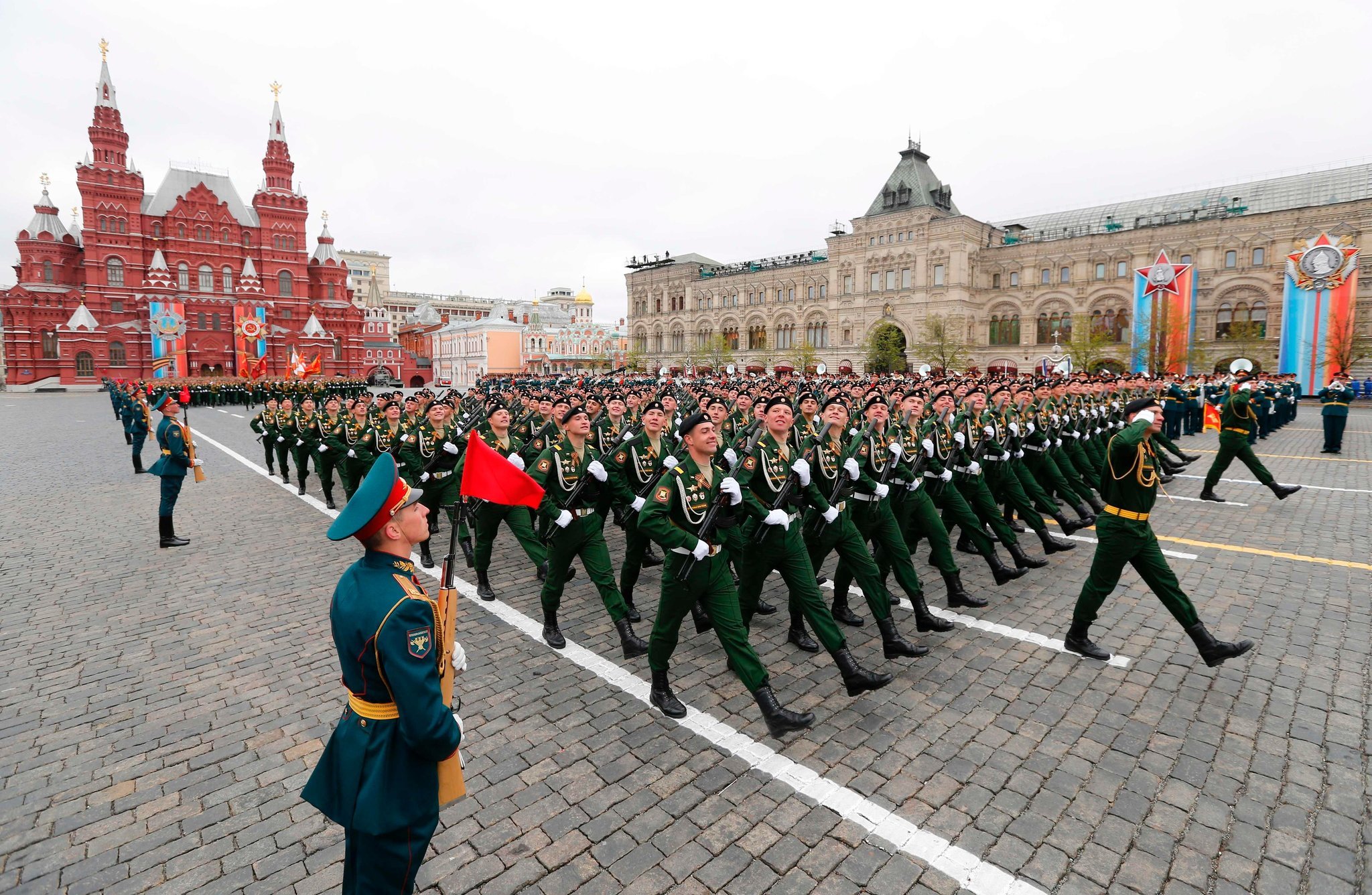
| MAY 9th | Victory Day |
| JUNE 12th | Day of Russia |
| NOVEMBER 4th | Civil Unity Day |
 New Year's Day is one of the most favorite holidays in Russia. On the New Year's Eve Russians decorate fir-trees, hide presents for each other underneath them, make fireworks, cook delicious meals, set the table and celebrate in the joyous company of family and friends. Nowadays many people in Russia celebrate coming of the New Year twice – on January 1st and 14th (which corresponds to January 1st in the Julian calendar, used in Russia before 1918).
International Women's Day appeared at a time of great social turbulence and crisis, and thus initially was associated with a tradition of protest and political activism. On March 8, 1857 textile female-workers of New York held a rally against low wages and bad labor conditions. In 1910 to commemorate these events the International Women's Congress in Copenhagen proclaimed this date as the International Women's Day to be marked annually. In Russia it has been celebrated since 1913 and now is also treated as the first spring holiday, which cherishes the love for and beauty of the Russian women and women all over the world.
Defender of the Fatherland Day, also known as The Army Day, or Men's Day, is a tribute to all the generations of Russian soldiers from the ancient times till modern days, to all those who courageously defended the Motherland from invaders. On this day the entire masculine population – from boys to old men – receive special greetings and presents. Women have a wonderful opportunity to show their warmest and kindest feelings to the loved ones and to indulge them with sings of attention and affection.
Orthodox Christmas This period from 7th till 19th of January is the best period for telling fortunes, as it is the Saint Christmas week, when people have fun, wear fancy clothes and travel from one home to another asking for favours. Christmas is the holiday of waiting for miracles, a unique mixture of folk and Christian customs and traditions.
Spring and Labor Celebration traces its history back to May 1st, 1886, when the workers of Chicago went on strike and demanded the workday to be cut from 15 hours down to 8 hours. In Russia this holiday was celebrated for the first time on May 1st, 1890 as the International Workers' Solidarity Day.
Victory Day is one of the most sacred holidays for the Russian people. Russia commemorates dozens of millions of its countrymen fallen in World War II on this day. Flowers and wreaths are laid on the wartime graves. Veterans come out into the streets wearing their military decorations and medals. The entire nation pays tribute to the eternal sacrifice that ensured its future.
Day of Russia celebrates the adoption in 1991 of the Declaration of Sovereignty of the Russian Federation, which opened the current page in the history book of the country and is considered to be its official National Holiday.
Unity Day, though being a newly adopted holiday, refers to a critical point in Russian history and honors the liberation of Moscow on November 4th, 1612 from the Polish invaders – in great manifestation of the national unity – by a people's army consisting of all classes of the Russian society.
About Russia | Facts about Russia | Culture of Russia | History of Russia | Russian Federation | USSR | Study in Russia | Climate of Russia | Russian Education | Russian winter | Russia Today | Russia
BASIC FACTS ABOUT RUSSIA
Full name: Russian Federation (the largest country in the world)
The capital of the country: Moscow (the largest city in Russia)
Population: 144.3 million people (2016)
Area: 17.1. Million km²
Major language: Russian
Major religions: Christianity, Islam, Buddhism, Judaism
Monetary unit: 1 ruble= 100 kopecks
Internet domain: .ru, .su, .rf
International dialing code: +7
MORE INTERESTING FACTS
 Russia has a wide range of natural resources and is the world’s largest producers of oil.
- The world’s first satellite, named Sputnik, was launched by the Soviet Union in 1957.
- The Soviet Union (USSR) was a socialist state that occupied much of Northern Asia and Eastern Europe from 1922 until it was dissolved in 1991. Former Soviet states include Lithuania, Georgia, Latvia, Ukraine, Kazakhstan and others.
- Russia is one of 5 permanent members of the UN Security Council, along with the USA, UK, China and France.
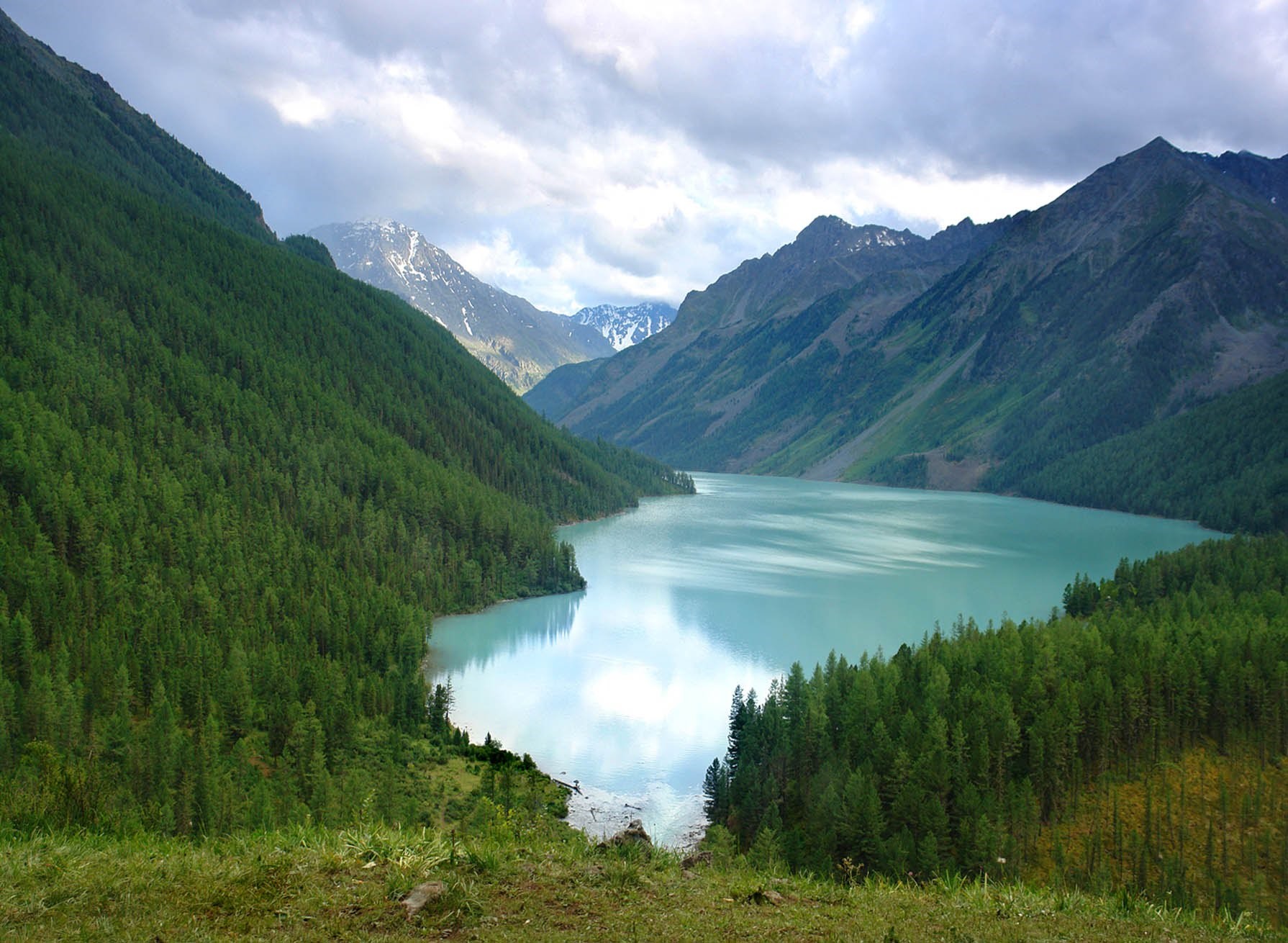
- Russia has over 40 national parks and 100 wildlife reserves.
- Lake Baikal is the largest freshwater lake in the world. It reaches 1642 metres (5,387 feet) in depth and contains around 20% of the world’s unfrozen fresh water.
- Mount Elbrus is the highest mountain in Russia (and Europe), it reaches a height of 5642 metres (18,510 feet).
- Russia’s Volga River is the longest in Europe, with a length of around 3690 kilometres (2293 miles).
- Russia has the world’s largest area of forests.
- Moscow is home to more billionaires than anywhere else in the world.
BRIEF HISTORY
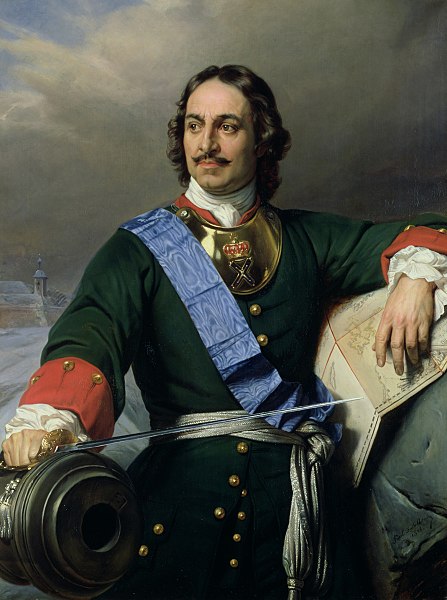 Tradition says the Viking Rurik came to Russia in 862 and founded the first Russian dynasty in Novgorod. The various tribes were united by the spread of Christianity in the 10th and 11th centuries; Vladimir “the Saint” was converted in 988. During the 11th century, the grand dukes of Kiev held such centralizing power as existed. In 1240, Kiev was destroyed by the Mongols, and the Russian territory was split into numerous smaller dukedoms.
In the late 15th century, Duke Ivan III acquired Novgorod and Tver and threw off the Mongol yoke. Ivan IV—the Terrible (1533–1584), first Muscovite czar—is considered to have founded the Russian state. He crushed the power of rival princes and boyars (great landowners), but Russia remained largely medieval until the reign of Peter the Great (1689–1725), grandson of the first Romanov czar, Michael (1613–1645). Peter made extensive reforms aimed at westernization and, through his defeat of Charles XII of Sweden at the Battle of Poltava in 1709, he extended Russia's boundaries to the west. Catherine the Great (1762–1796) continued Peter's westernization program and also expanded Russian territory, acquiring the Crimea, Ukraine, and part of Poland. During the reign of Alexander I (1801–1825), Napoléon's attempt to subdue Russia was defeated (1812–1813), and new territory was gained, including Finland (1809) and Bessarabia (1812). Alexander originated the Holy Alliance, which for a time crushed Europe's rising liberal movement.
Alexander II (1855–1881) pushed Russia's borders to the Pacific and into central Asia. Serfdom was abolished in 1861, but heavy restrictions were imposed on the emancipated class.
World War I demonstrated czarist corruption and inefficiency, and only patriotism held the poorly equipped army together for a time. Disorders broke out in Petrograd (renamed Leningrad and now St. Petersburg) in March 1917, and defection of the Petrograd garrison launched the revolution. Nicholas II was forced to abdicate on March 15, 1917, and he and his family were killed by revolutionaries on July 16, 1918. A provisional government under the successive prime ministerships of Prince Lvov and a moderate, Alexander Kerensky, lost ground to the radical, or Bolshevik, wing of the Socialist Democratic Labor Party. On Nov. 7, 1917, the Bolshevik Revolution, engineered by Vladimir Lenin and Leon Trotsky, overthrew the Kerensky government, and authority was vested in a Council of People's Commissars, with Lenin as prime minister.
In 1991 Gorbachev signed the Independence of Soviet Socilaists republics.In June 1991, Boris Yeltsin became the first directly elected President in Russian history when he was elected President of the Russian Soviet Federative Socialist Republic, which became the independent Russian Federation in December of that year.On 31 December 1999, President Yeltsin unexpectedly resigned, handing the post to the recently appointed Prime Minister, Vladimir Putin, who then won the 2000 presidential election and is the President of the Russian Federation till nowdays.
CLIMATE
How cold do you think Russia can get?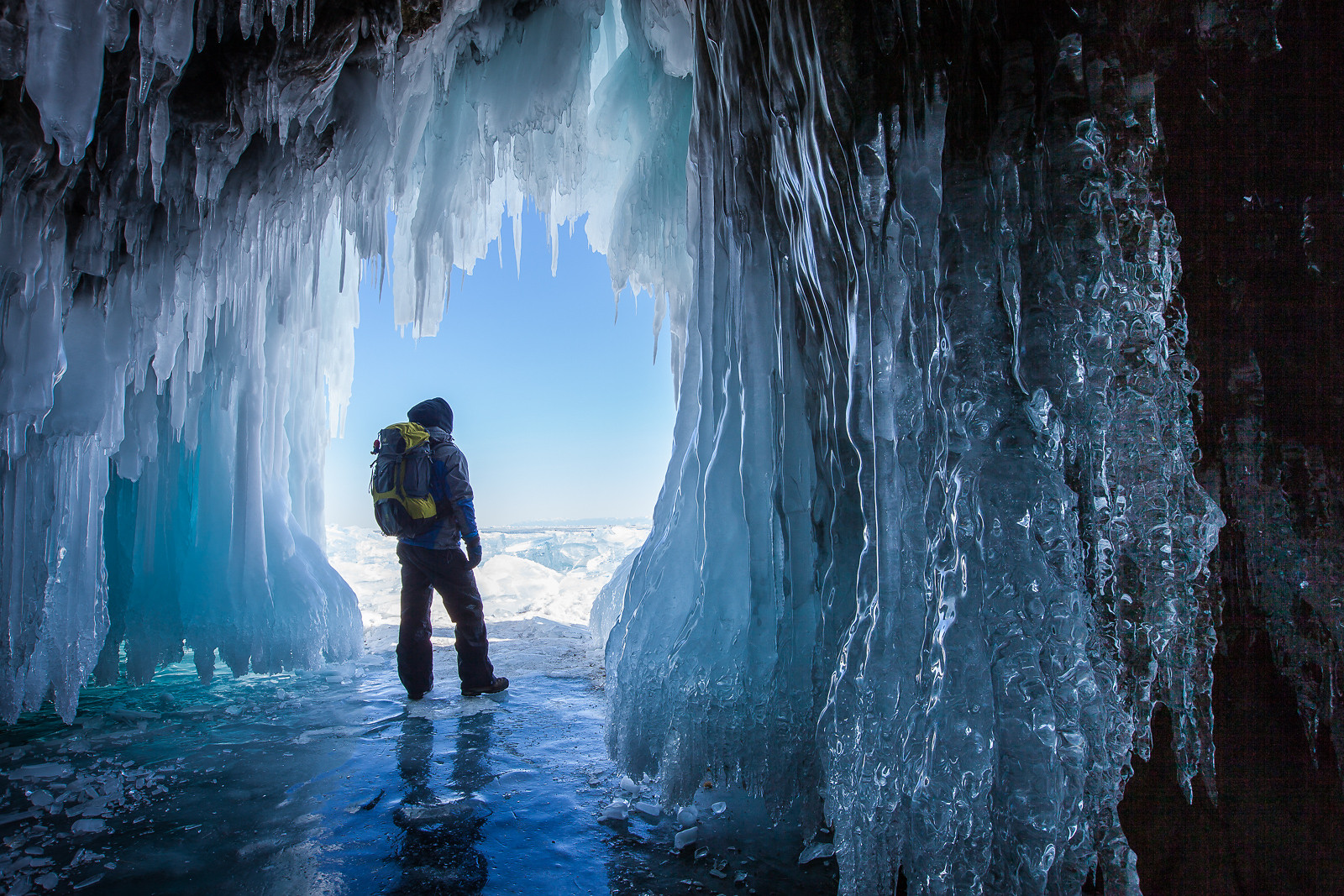
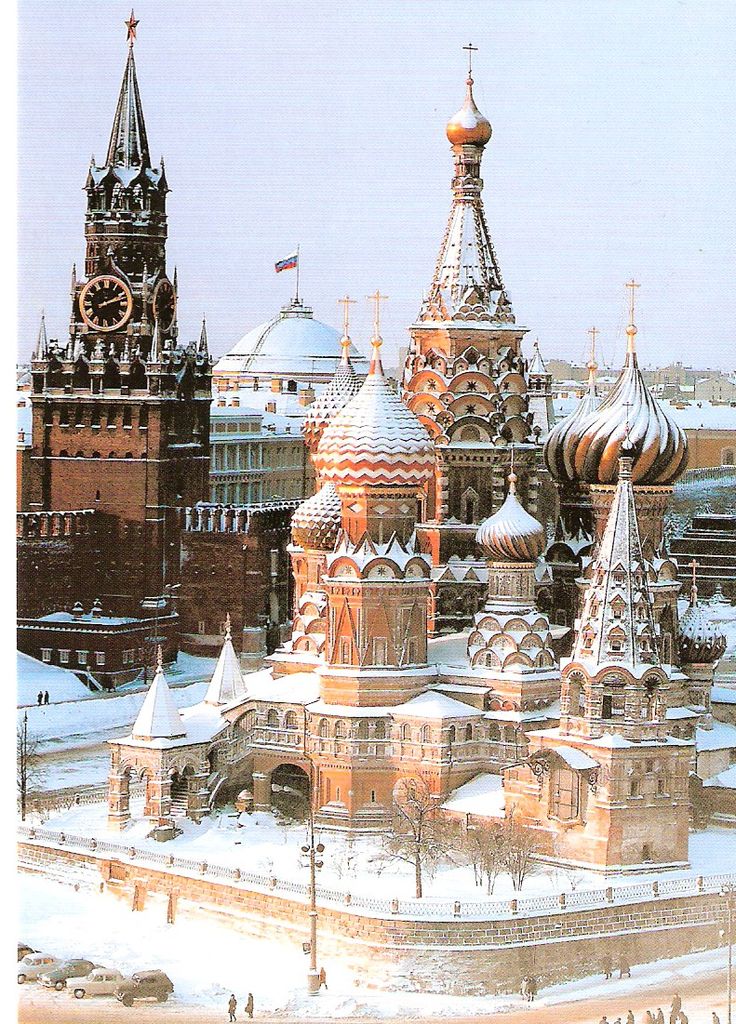
The Russian winter certainly guarantees plenty of snow and frost but not everywhere. And of course it doesn’t last forever. Russia’s climate varies from the deep arctic chill of the far north to the searing desert heat of some inland areas further south. There are four seasons in the country. In the European part of Russia the first snow usually falls in late November and stays till early April. The average winter temperature is about -10°C, -15°C.
Down south, Russia's vast steppe is hot and dry. Winters are short but cold. The Black Sea resort of Sochi makes up for the rest of the country with a 35°C between June and August – no wonder it is Russia’s top summer holiday spot.
On the other side of the Ural Mountains, Siberia – contrary to its popular image – isn’t the land of eternal ice. It does have a summer – actually quite a warm and pleasant one, with temperatures climbing to 20°C and higher. The weather is rather wet and winters are quite cold.
In the Far East, inland areas can get very hot with a tropical 40°C. Coastal regions are much cooler and wetter. Winter is normally milder than in Siberia. The port of Vladivostok sees a typical -13°C in January. And if you think that’s cold – stay away from the village of Oymyakon in north-eastern Siberia. With the lowest recorded temperature of -71.2°C, it’s the world’s coldest inhabited place.
CULTURE
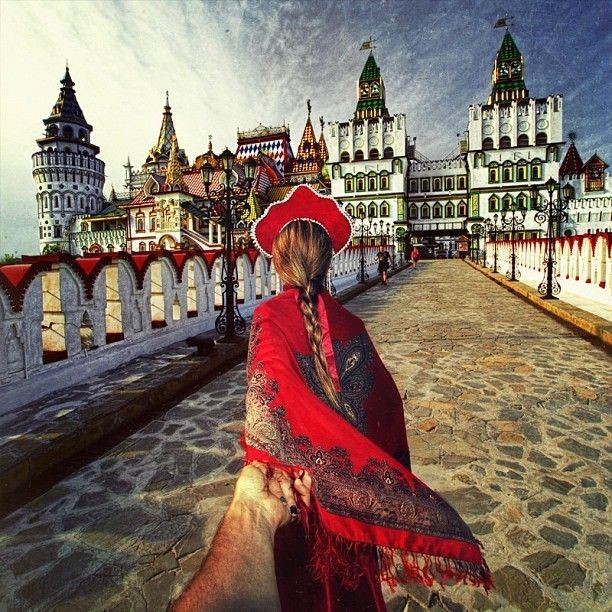 Russia has a long and rich cultural history, steeped in literature, ballet, painting and classical music. While outsiders may see the country as drab, Russia has a very visual cultural past, from its colorful folk costumes to its religious symbols. Here is a brief overview of Russian customs and traditions.
Russia is land of different cultures and nations.
Russian culture has a long history and can claim a long tradition of dividend in many aspects of the arts, especially when it comes to literature and philosophy, classical music and ballet, architecture and painting, cinema and animation, which all had considerable influence on world culture. The country also has a rich material culture and a tradition in technology.
Russian culture started from that of the East Slavs, with their pagan beliefs and specific way of life in the wooded areas of Eastern Europe. Early Russian culture was much influenced by neighbouring Finno-Ugric tribes and by nomadic, mainly Turkic, peoples of the Pontic steppe. In the late 1st millennium AD the Scandinavian Vikings, or Varangians, also took part in the forming of Russian identity and Kievan Rus' state. Kievan Rus' had accepted Orthodox Christianity from the Eastern Roman Empire in 988, and this largely defined the Russian culture of next millennium as the synthesis of Slavic and Byzantine cultures. After the fall of Constantinople in 1453, Russia remained the largest Orthodox nation in the world and claimed succession to the Byzantine legacy in the form of the Third Rome idea. At different points in its history, the country was also strongly influenced by the culture of Western Europe. Since Peter the Great's reforms for two centuries Russian culture largely developed in the general context of European culture rather than pursuing its own unique ways. The situation changed in the 20th century, when the Communist ideology became a major factor in the culture of the Soviet Union, where Russia, or Russian SFSR, was the largest and leading part.
Nowadays, Russian cultural heritage is ranked seventh in the Nation Brands Index, based on interviews of some 20,000 people mainly from Western countries and the Far East. Due to the relatively late involvement of Russia in modern globalization and international tourism, many aspects of Russian culture, like Russian jokes and the Soviet Art, remain largely unknown to foreigners.
SCIENCE AND TECHNOLOGY
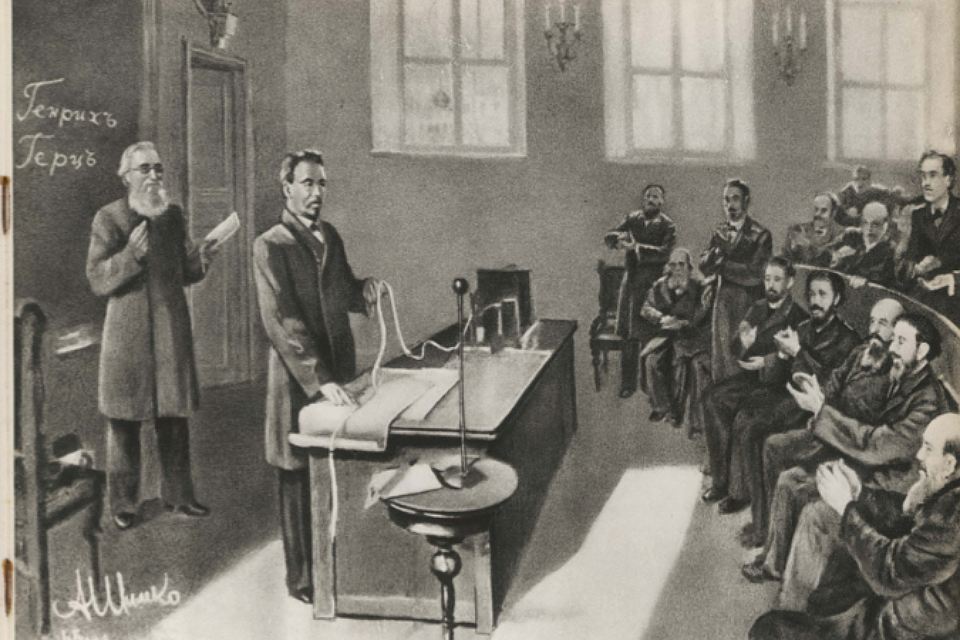 Russian science and technology are famous due to many achievements. On the top of the list there are: the invention of radio by A. Popov, the creation of the Periodical table of elements by D. Mendeleev, formulation of the principals of the interplanetary space flights on multistage rockets by K. Tsiolkovskiy, achievements of Russian space program lead by S. Korolev that include first unmanned space flight of "Sputnik" and first manned space flight of Yu. Gagarin, invention of laser by N. Basov and Yu. Prokhorov as well and many other discoveries.
There are around 4000 organizations in Russia involved in research and development with almost one million personnel. Half of those people are doing scientific research. It is coordinated by Ministry of industry, science and technologies, where strategy and basic priorities of research and development are being formulated.
Fundamental scientific research is concentrated in Russian Academy of Sciences, which now includes hundreds of institutes specializing in all major scientific disciplines such as mathematics, physics, chemistry, biology, astronomy, Earth sciences etc.
The applied science and technology is mainly done in Institutions and Design Bureaus belonging to different Russian Ministers. They are involved in research and development in nuclear energy (Ministry of atomic energy), space exploration (Russian aviation and space agency), defense (Ministry of defense), telecommunications (Ministry of communications) and so on.
Russian Academy of Sciences
Russian Academy of Sciences is the community of the top ranking Russian scientists and principal coordinating body for basic research in natural and social sciences, technology and production in Russia. It is composed of more than 350 research institutions. Outstanding Russian scientists are elected to the Academy, where membership is of three types - academicians, corresponding members and foreign members. The Academy is also involved in post graduate training of students and in publicizing scientific achievements and knowledge. It maintains ties with many international scientific institutions and collaborates as well with foreign academies. The Academy’s divisions directed by its Presidium.
Founded in St. Petersburg in 1724 by Peter the Great the Academy was then opened in 1725 by his widow Catherine I, as the Academy of sciences and arts. Later known under various names it got its present name in 1925. In its early decades, foreign scholars notably the Swiss mathematicians Leonard Euler and Daniel Bernoulli worked in the Academy. The first Russian member in the Academy was Mikhail Lomonosov, scientist and poet, who was elected in 1742 and contributed extensively to many branches of science. The Academy’s highest prize, the Lomonosov Medal, bears his name.
Under the tsars, Academy was headed by the Court members and controlled a relatively small number of institutions. After 1917 the Academy started to elect its president and expanded its activities while many new scientific institutions arose throughout the Soviet Union. By 1934, when it was transferred from Leningrad (now St. Petersburg) to Moscow, it embraced 25 institutes. Before the disintegration of the Soviet Union in 1991 the Academy directed more than 260 institutions including laboratories, naval institutes, observatories, research stations, scientific societies and branches, that were spread throughout the republics of former Soviet Union. Russian Academy is proud of it’s members awarded with the Nobel prize, who are: Ivan Pavlov, Nikolai Semenov, Igor Tamm, Pavel Cherenkov, Ilya Frank, Lev Landau, Nikolai Basov, Alexander Prokhorov, Mikhail Sholokhov, Alexander Solzhenitsyn, Leonid Kantorovich, Andrey Sakharov, Pyotr Kapitsa, Zhorez Alfyorov.
Russian Academy of Sciences celebrated its 275 jubilee a few years ago. Still it is the leading force of the Russian science keeping its best traditions, thus maintaining a high level of the scientific, technological, educational and spiritual potential of the country.


Russian Education Centre is a legally authorized representative working under the Aegis of the Ministry of Education and Science and the Ministry of Justice of the Russian Federation. Russian Education Centre is also recognized by the Ministry of Health and the Ministry of Foreign Affairs of the Russian Federation.
Russian Education Centre specializes in comprehensive assistance to ambitious foreign students who aspire to study at Russian Higher Education Institutions.
 Russian Education Centre has been working for more than 10 years in the field of recruitment of foreign students who are eager to study at Russian Universities and has enrolled more than 11,000 students from all over the world. Some of them has already completed their studies and are working in different fields as highly qualified specialists, others are still studying at university. Russian Education Centre works in close cooperation with students and helps them during the admission process, in obtaining a visa, with the arrival and during their whole study period.
NOT ONLY DO WE HELP STUDENTS TO GET ADMISSION LETTER AND VISA, BUT WE ALSO ASSIST STUDENTS DURING THEIR WHOLE STUDY PERIOD IN RUSSIA.
RUSSIAN EDUCATION CENTRE HAS LOCAL REPRESENTATIVE OFFICES IN ALL CITIES WHERE OUR PARTNER UNIVERSITIES ARE ESTABLISHED AND WE ARE ALWAYS READY TO ASSIST STUDENTS IN ALL ASPECTS OF THEIR LIVES.

About Us
Universities
Services
FOR STUDENTS:

 +212-666-030-081
(works 24 hours, without holidays)
Tel. Calls: +212-662-187-074
(working hours: 9 a.m. till 6 p.m.
working days only)
e-mail: studyabroad@rae.ma
FOR AGENTS/REPRESENTATIVES:
+212-662-187-074
e-mail: studyabroad@rae.ma
FOR UNIVERSITIES:
+212-662-187-074
(works 24 hours, without holidays)
Tel./Fax.: +212-662-187-074
(working hours: 9 a.m. till 6 p.m.
working days only)
e-mail: studyabroad@rae.ma


